When it comes to improving your smile, you may wonder about veneers vs. crowns: which is right for you? Both options are popular in cosmetic dentistry. However, they serve different purposes. Understanding the difference can help you make the best choice for your dental health. Whether you want to fix damaged teeth or enhance your smile, knowing the facts is important. Let’s explore what makes veneers and crowns unique.
What Are Veneers?
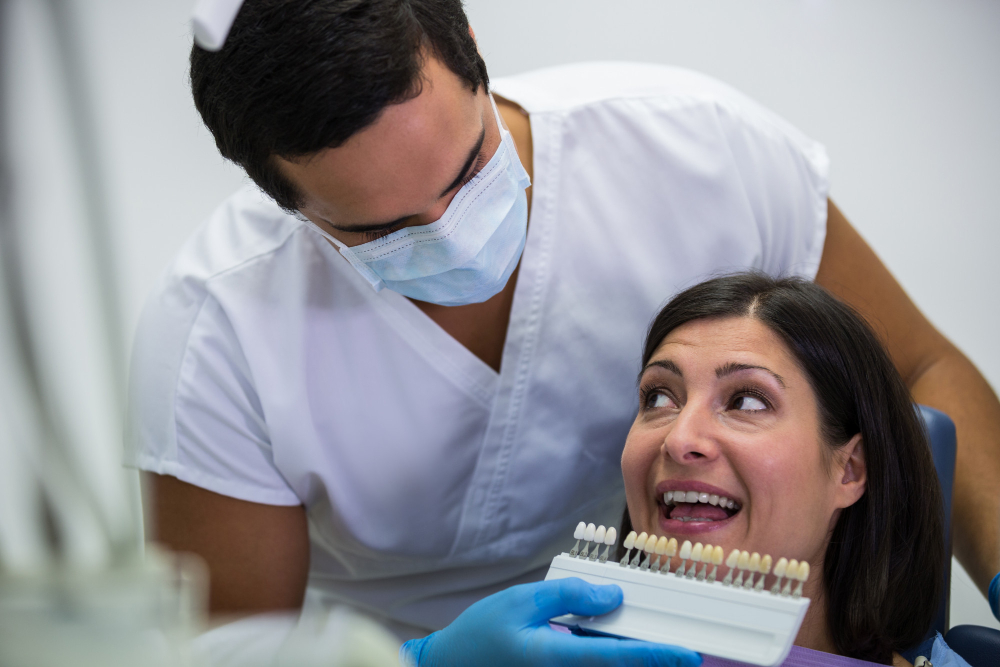
Veneers are thin shells made from porcelain or resin. Dentists place them on the front surface of your teeth. Usually, veneers are used to improve the look of teeth. For example, they can cover stains, chips, or small gaps. Because they are very thin, only a small amount of tooth enamel is removed. Veneers are a common choice in cosmetic dentistry solutions.
What Are Crowns?
Crowns, also called dental caps, cover the entire tooth. They are made from porcelain, metal, or a mix of both. Unlike veneers, crowns protect and strengthen teeth that are weak or damaged. Dentists use crowns for teeth with large fillings, cracks, or after root canal treatment. Crowns restore both the shape and function of the tooth.
Key Differences Between Veneers and Crowns
Although both improve your smile, veneers and crowns have key differences. Here’s a quick comparison:
Indications: When to Choose Veneers or Crowns
Choosing between dental veneers vs. crowns depends on your needs. Here are some common reasons for each:
For best results, your dentist will suggest the option that fits your dental health.
Procedure Overview for Veneers and Crowns
Both procedures usually need two visits to the dentist. However, the steps are a bit different.
Both treatments are safe and common, according to the American Dental Association (ADA).
Pros and Cons of Veneers vs. Crowns
It helps to know the benefits and drawbacks of each option. Here’s a simple list:
Cost Comparison and Longevity
Cost is often a big factor in your decision. Veneers and crowns both have upfront costs. However, crowns may cost more because they use more material and cover the whole tooth. Prices can vary based on location and the materials used.
Dental insurance may cover crowns if they are medically needed. On the other hand, veneers are often seen as cosmetic and may not be covered.
Aftercare and Maintenance Tips
Proper care helps both veneers and crowns last longer. Here are some tips:
With good habits, your dental work can stay strong and look great for years.
Frequently Asked Questions (FAQ)
For more information, you can visit the American Dental Association (ADA) website or talk to your dental professional.
Consult a qualified dentist to determine whether veneers or crowns are the best choice for your smile.