Full vs. Partial Dentures: Which One Is Right for You?

What Are Dentures?

Dentures are removable devices that replace missing teeth. They help you eat, speak, and smile with confidence. Many people need dentures when they lose teeth due to age, injury, or disease. According to the American Dental Association, dentures can improve your quality of life. There are different types of dentures, each designed for specific needs.

Full Dentures: Overview, Benefits, and Drawbacks

Full dentures, also called complete dentures, replace all teeth in your upper or lower jaw. If you have lost all your teeth in one or both jaws, full dentures may be the best dentures for missing teeth. Let’s look at their benefits and drawbacks.

  • Benefits:
  • Restore your smile and facial shape
  • Help you chew and speak better
  • Custom-made for comfort and fit
  • Easy to remove for cleaning
  • Drawbacks:
  • May feel loose at first
  • Can take time to get used to
  • Need regular adjustments
  • May affect taste or feel bulky
  • Partial Dentures: Overview, Benefits, and Drawbacks

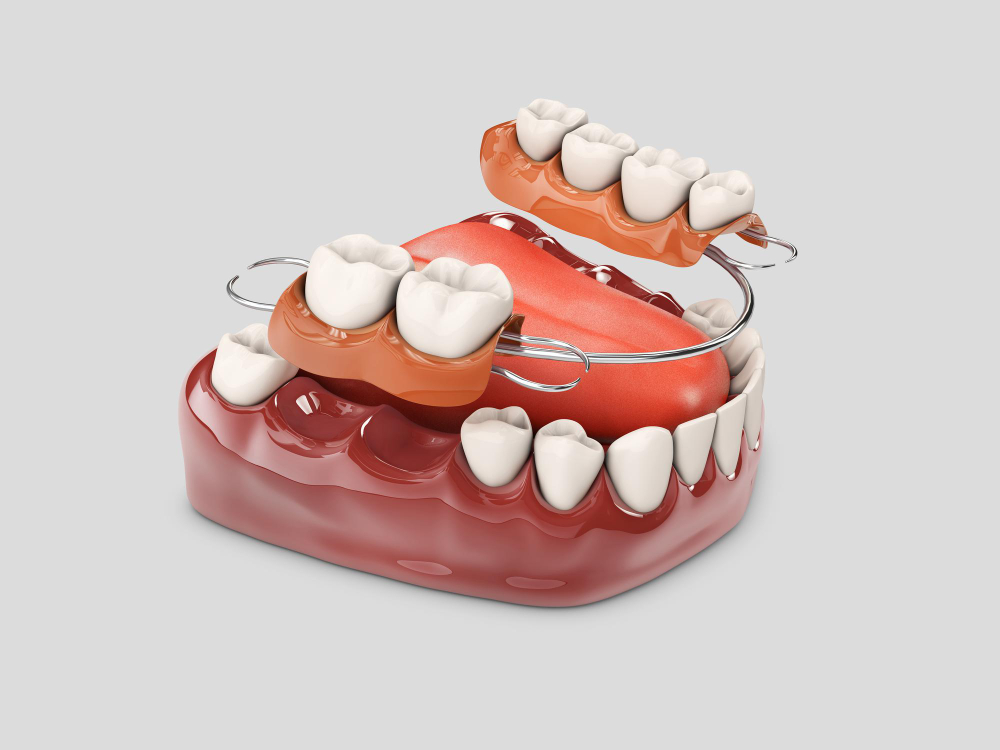
    Partial dentures are used when you still have some natural teeth left. They fill the gaps caused by missing teeth. Partial dentures attach to your remaining teeth with small clasps or connectors. Now, let’s explore their benefits and drawbacks.

  • Benefits:
  • Keep your natural teeth in place
  • Prevent other teeth from shifting
  • Often feel lighter than full dentures
  • Easy to remove and clean
  • Drawbacks:
  • May need adjustments for comfort
  • Clasps might show when you smile
  • Can trap food if not cleaned well
  • May not work if many teeth are missing
  • Key Differences Between Full and Partial Dentures

    Understanding the differences can help you in choosing dentures that fit your needs. Here are some key points:

  • Full dentures replace all teeth in a jaw, while partial dentures fill gaps between existing teeth.
  • Partial dentures use clasps to attach to natural teeth; full dentures rest on the gums.
  • Full dentures are best when no natural teeth remain; partial dentures are for those with some healthy teeth left.
  • Partial dentures may feel more stable at first, but both types need time to adjust.
  • How to Choose the Right Denture for You

    Choosing dentures depends on your dental health and personal needs. First, talk to your dentist. They will check your mouth and suggest the best option. Consider these factors:

  • How many teeth are missing?
  • Are your gums and jawbone healthy?
  • Do you want a removable or fixed solution?
  • What is your budget?
  • For example, if you have only a few missing teeth, partial dentures may be better. However, if you have lost all teeth in one jaw, full dentures are likely best. Your dentist can help you decide.

    Care and Maintenance Tips for Dentures

    Proper care keeps your dentures clean and your mouth healthy. Here are some denture care tips:

  • Remove dentures before sleeping to let your gums rest.
  • Clean dentures daily with a soft brush and mild soap.
  • Soak them in water or a denture solution overnight.
  • Rinse dentures before putting them back in your mouth.
  • Visit your dentist regularly for check-ups and adjustments.
  • With good care, dentures can last many years. Still, they may need repairs or replacement over time.

    Frequently Asked Questions About Dentures

  • Will dentures look natural? Yes, modern dentures are designed to look like real teeth.
  • Are dentures comfortable? At first, they may feel odd, but most people adjust within a few weeks.
  • Can I eat normally with dentures? You may need to start with soft foods, but you can eat most foods after adjusting.
  • How long do dentures last? With proper care, dentures can last 5 to 10 years.
  • Do I need to see my dentist after getting dentures? Yes, regular visits help keep your mouth and dentures in good shape.
  • In summary, dentures can restore your smile and help you enjoy life again. However, the right choice depends on your needs and dental health. Consult a dental specialist to find the best denture option for your needs.