What Are Dentures?
Dentures are removable devices that replace missing teeth. They help you eat, speak, and smile with confidence. Many people need dentures when they lose teeth due to age, injury, or disease. According to the American Dental Association, dentures can improve your quality of life. There are different types of dentures, each designed for specific needs.
Full Dentures: Overview, Benefits, and Drawbacks
Full dentures, also called complete dentures, replace all teeth in your upper or lower jaw. If you have lost all your teeth in one or both jaws, full dentures may be the best dentures for missing teeth. Let’s look at their benefits and drawbacks.
Partial Dentures: Overview, Benefits, and Drawbacks
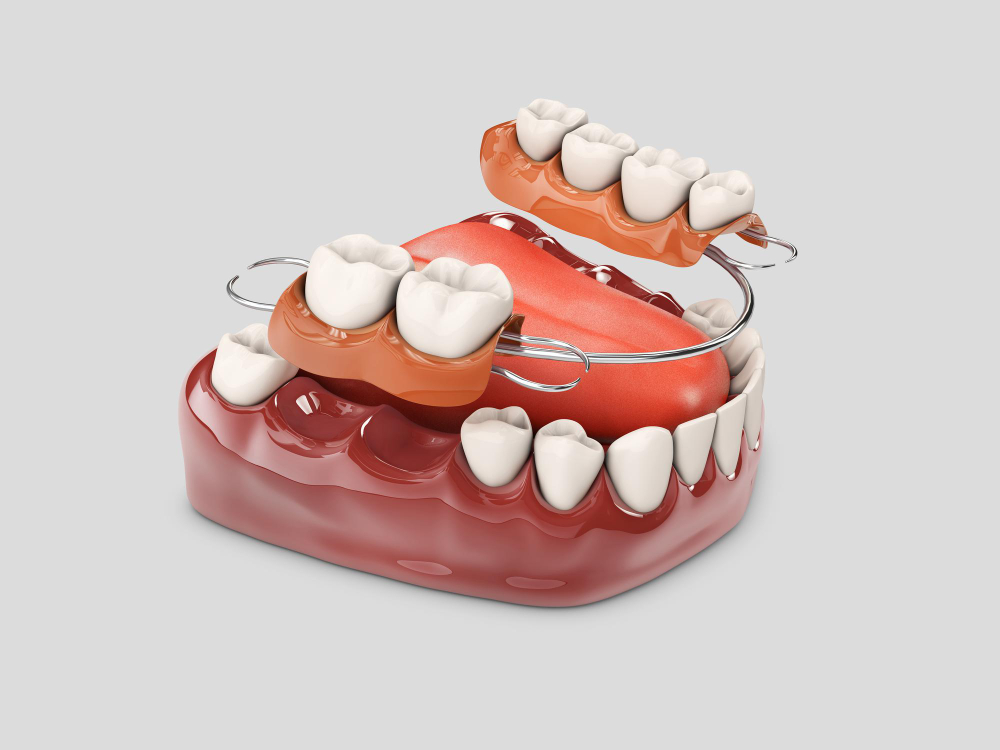
Partial dentures are used when you still have some natural teeth left. They fill the gaps caused by missing teeth. Partial dentures attach to your remaining teeth with small clasps or connectors. Now, let’s explore their benefits and drawbacks.
Key Differences Between Full and Partial Dentures
Understanding the differences can help you in choosing dentures that fit your needs. Here are some key points:
How to Choose the Right Denture for You
Choosing dentures depends on your dental health and personal needs. First, talk to your dentist. They will check your mouth and suggest the best option. Consider these factors:
For example, if you have only a few missing teeth, partial dentures may be better. However, if you have lost all teeth in one jaw, full dentures are likely best. Your dentist can help you decide.
Care and Maintenance Tips for Dentures
Proper care keeps your dentures clean and your mouth healthy. Here are some denture care tips:
With good care, dentures can last many years. Still, they may need repairs or replacement over time.
Frequently Asked Questions About Dentures
In summary, dentures can restore your smile and help you enjoy life again. However, the right choice depends on your needs and dental health. Consult a dental specialist to find the best denture option for your needs.