What Are Pit and Fissure Sealants?
Pit and fissure sealants are thin, protective coatings placed on the chewing surfaces of back teeth. These sealants fill the small grooves and pits in molars and premolars. Because these areas are hard to clean, food and bacteria can get trapped, leading to cavities. However, sealants act as a barrier, helping to keep teeth healthy and strong.
How Do Pit and Fissure Sealants Work?
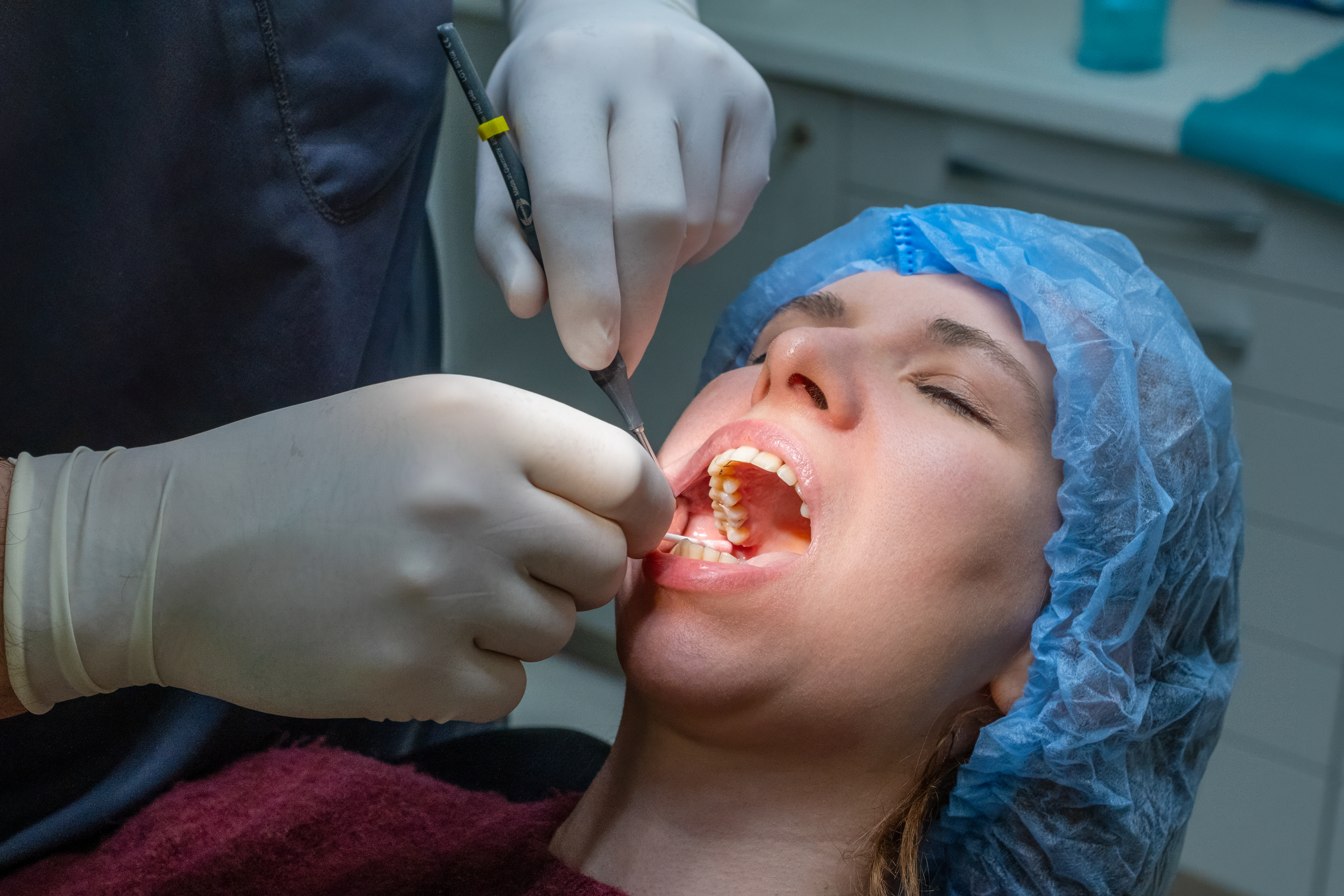
First, a dentist cleans the tooth surface. Then, the sealant material is painted onto the tooth. As a result, the sealant quickly hardens and forms a shield over the grooves. This shield blocks out food and germs. Therefore, the risk of tooth decay drops. In many cases, sealants can protect teeth for several years.
Who Should Get Pit and Fissure Sealants?
Most often, children and teenagers benefit the most from pit and fissure sealants. Their new permanent molars are at higher risk for cavities. However, adults without fillings or decay in their back teeth can also get sealants. Dentists may suggest sealants if you have deep grooves in your teeth or a history of cavities.
Benefits of Pit and Fissure Sealants
Sealants offer many advantages for dental health. For example, they help prevent up to 80% of cavities in back teeth, according to the CDC. In addition, sealants are painless and quick to apply. They are also safe for children and adults. Because they protect hard-to-clean areas, sealants make brushing and flossing more effective.
The Application Process
Applying pit and fissure sealants is simple and fast. First, the dentist cleans and dries the tooth. Next, a special gel is applied to roughen the surface. After a few seconds, the gel is rinsed off. Then, the dentist paints the sealant onto the tooth. Finally, a blue light may be used to harden the sealant. The whole process usually takes only a few minutes per tooth.
Safety and Side Effects
Pit and fissure sealants are very safe. Most people do not have any side effects. Rarely, someone may have a mild allergic reaction. However, this is uncommon. Sealants do not contain harmful levels of chemicals. The American Dental Association and CDC both recommend sealants for children and teens. If a sealant chips or wears away, your dentist can repair it easily.
Frequently Asked Questions
Prevention and Oral Care Tips
While pit and fissure sealants help prevent cavities, good oral care is still important. For best results, follow these tips:
In summary, pit and fissure sealants are a safe and effective way to protect teeth from decay. They are especially helpful for children and teens. However, adults can benefit too. Consult your dentist to see if pit and fissure sealants are right for you.