Introduction
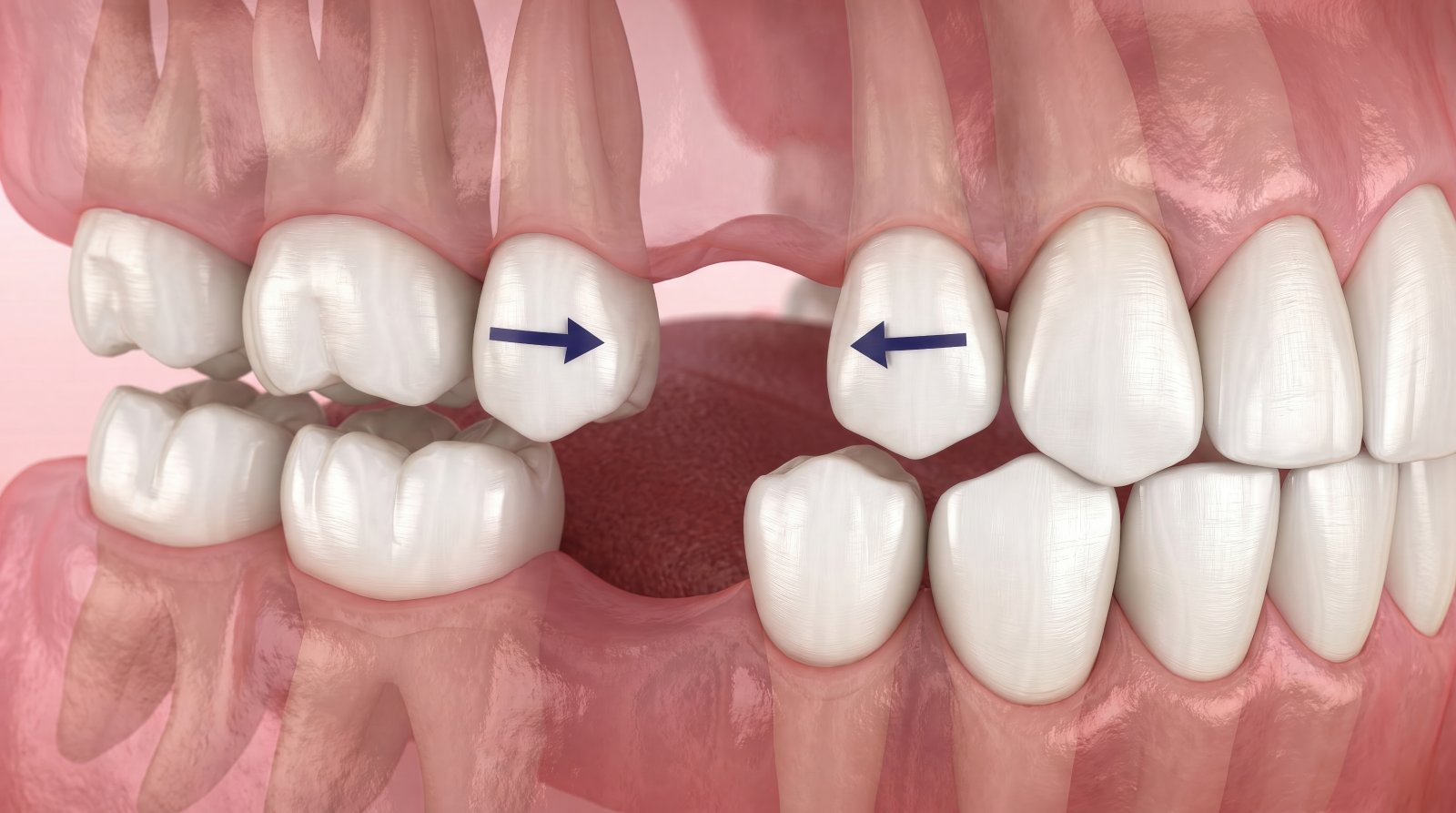
Many people notice their teeth shifting with age. This change can affect your smile and bite. But why do teeth move as we get older? Understanding the reasons can help you prevent teeth movement and keep your teeth straight as you age. In this blog, we explain the causes, signs, and ways to stop teeth from shifting. We also share tips on how to keep your teeth healthy for life.
Why Teeth Shift With Age
Teeth shifting with age is common. Several factors can cause this change. As we age, our bodies go through many changes, and our mouths are no different. Below are the main reasons why teeth move as we get older:
Additionally, genetics and some health conditions can increase the risk. According to the CDC, gum disease is a leading cause of tooth loss and shifting in adults.
Signs and Symptoms of Shifting Teeth
It is important to notice early signs of teeth movement. Early action can help prevent bigger problems. Watch for these symptoms:
If you notice any of these signs, it is wise to see a dentist soon.
Diagnosis: How Dental Professionals Identify Shifting Teeth
Dentists use several methods to check for teeth shifting. First, they will ask about your dental history and any changes you have noticed. Next, they will examine your mouth and gums. Often, they use X-rays to see bone levels and tooth position. Sometimes, they take dental impressions or digital scans to track changes over time. With these tools, dentists can spot early movement and suggest the best steps to prevent further shifting.
Prevention Strategies
Fortunately, there are many ways to prevent teeth movement as you age. Good habits and regular dental care make a big difference. Here are some helpful tips:
Oral Hygiene
Lifestyle Tips
Dental Interventions
By following these steps, you can help keep your teeth straight as you age.
Treatment Options
If your teeth have already shifted, do not worry. Several treatments can help. Your dentist will suggest the best option based on your needs. Common treatments include:
Early treatment often leads to better results. Therefore, it is important to act quickly if you notice changes.
Conclusion
Teeth shifting with age is a common issue, but you can take steps to prevent it. With good oral hygiene, healthy habits, and regular dental visits, you can keep your teeth straight as you age. If you notice any signs of movement, do not wait. Consult a dentist for personalized advice on keeping your teeth healthy and straight as you age.